
Ten Easy Steps To Launch Your Own Shipping Containers Business
본문
The Versatile World of Shipping Containers: More Than Just Cargo Carriers
Shipping containers are typically viewed as ordinary metal boxes that help with global trade. Nevertheless, their adaptability extends far beyond transporting products throughout oceans. From innovative housing solutions to pop-up stores and even art setups, Shipping Container Manufacturers containers are revolutionizing various industries. This post explores the diverse applications of shipping containers, offering insights into their usage, benefits, and the future potential they hold.
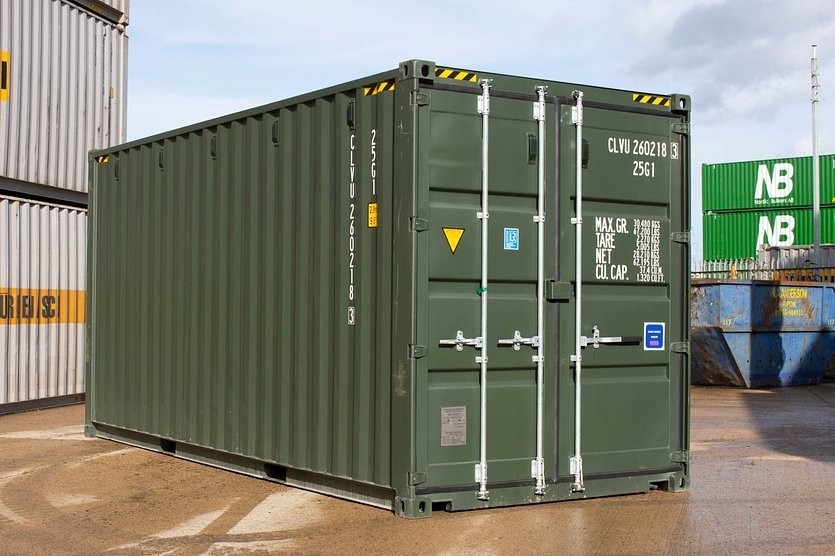
The Basics of Shipping Containers
Shipping containers were established in the mid-20th century to improve worldwide shipping. Readily available in standard sizes-- most typically 20-foot and 40-foot-- they have ended up being the foundation of worldwide trade.
Table 1: Common Shipping Container Dimensions
| Container Type | Length (ft) | Width (feet) | Height (feet) | Typical Volume (cu feet) |
|---|---|---|---|---|
| Standard | 20 | 8 | 8.5 | 1,169 |
| High Cube | 40 | 8 | 9.5 | 2,694 |
| Standard | 40 | 8 | 8.5 | 2,390 |
| High Cube | 20 | 8 | 9.5 | 1,350 |
These dimensions make them ideal for numerous uses aside from standard Buy Shipping Containers.
Diverse Applications of Shipping Containers
1. Housing and Modular Construction
One of the most amazing advancements in shipping container usage is their adjustment for housing. Compact, durable, and fairly low-cost, they use distinct solutions to the housing crisis.
- Cost: Compared to traditional structure techniques, constructing homes with shipping containers can decrease expenses by 20-30%.
- Sustainability: By recycling old containers, home builders can produce low-impact homes that lessen waste.
- Speed of Construction: Container homes can be developed rapidly, frequently within weeks, thanks to their modular nature.
List of Container Home Features
- Energy performance (photovoltaic panels, effective insulation)
- Customizability (floor strategies, designs)
- Mobility (quickly transported)
- Resilience (resilient under extreme weather condition)
2. Retail and Pop-Up Shops
Shipping containers are becoming significantly popular as retail spaces. They can be transformed into pop-up shops, food stalls, or even permanent retailers. This pattern is particularly kept in mind in city locations where area is important.
- Versatility: They can be positioned virtually anywhere, targeting high-traffic areas.
- Branding: Unique container designs can boost a brand name's image, drawing in clients.
- Cost-effectiveness: Lower overhead costs make it much easier for small services to enter the market.
Table 2: Advantages of Shipping Containers in Retail
| Advantage | Explanation |
|---|---|
| Lower rental expenses | More affordable than conventional retail spaces |
| Short setup time | Quick installation enables rapid entry |
| Personalization options | Easy to customize for branding needs |
| Environmentally friendly option | Uses recycled materials |
3. Disaster Relief and Emergency Shelters
In times of natural disasters, shipping containers are significantly used as momentary shelters. Their resilience and weather resistance make them suitable for fast implementation in crisis circumstances.
- Rapid Deployment: Containers can be transferred to affected locations rapidly.
- Resilient: Designed to stand up to harsh conditions, they provide reliable shelter.
- Adjustable: Can be modified into various forms of accommodations, from single units to bigger recreation center.
4. Art Installations and Creative Spaces
Artists have actually begun making use of Shipping Container Marketplace containers as canvases and galleries. Their special shapes and sizes motivate ingenious installations, making them a stylish choice in public and private art tasks.
List of Artistic Applications
- Interactive art installations
- Gallery areas for exhibitions
- Efficiency venues
- Mobile art studios
Shipping Containers: A Sustainable Choice
The shift towards sustainability can not be overlooked. Making use of shipping containers encourages recycling and adaptive reuse, assisting to reduce the carbon footprint connected with conventional building materials. In addition, numerous container homes and businesses emphasize energy effectiveness through making use of green technologies.
Table 3: Environmental Benefits of Using Shipping Containers
| Benefit | Description |
|---|---|
| Reduced Waste | Recycling old Intermodal Containers decreases landfill use |
| Lower Energy Consumption | Many designs focus on eco-friendly practices |
| Very Little Resource Use | Needs less new products compared to standard builds |
Frequently Asked Questions about Shipping Containers
Q1: Can shipping containers be used for long-term housing?
A1: Yes, many housing projects use shipping containers as long-term homes, specifically in areas dealing with housing shortages.
Q2: How do shipping containers hold up against extreme weather?
A2: Shipping containers are created to withstand severe marine conditions, making them resistant against severe weather condition events.
Q3: Are shipping containers safe to utilize?
A3: Yes, appropriately modified shipping containers meet developing codes and safety standards. It's vital to speak with experts during the modification process.
Q4: What are the costs connected with buying and modifying a shipping container?
A4: The cost can vary extensively depending on size, condition, and modifications but usually ranges from ₤ 1,500 to ₤ 5,000 for the container itself, with extra costs for modification that can go beyond the preliminary purchase price.
Q5: Where can I buy shipping containers?
A5: Shipping Container Office containers can be acquired from specialized dealerships, Shipping Container Construction business, or online marketplaces.
The Future of Shipping Containers
As the world continues to accept sustainability and innovative solutions, the prospective applications of shipping containers will just grow. Architects, business owners, and neighborhoods are continually discovering new methods to repurpose these as soon as simply utilitarian objects.
Shipping containers are not simply vessels for transferring goods; they are changing living and working spaces, cultivating creativity, and paving the method for a more sustainable future. As we continue to establish these solutions, the simple shipping container may effectively become a symbol of innovation in the 21st century.

댓글목록 0